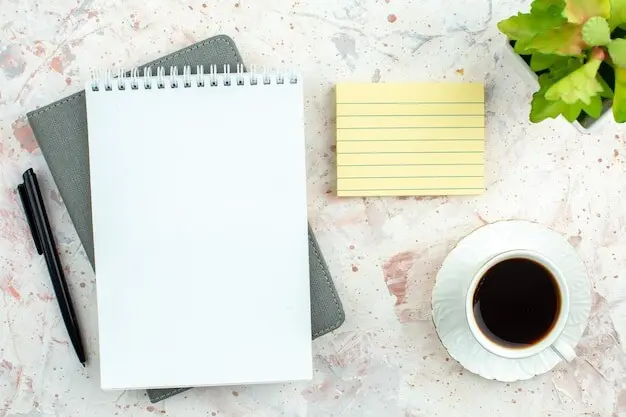

Ink, Paper, and the Power to Get Things Done

Step into a calmer, sharper way of working as we explore Analog Productivity: Paper Tools in a Digital World. Discover why a pen’s friction, a page’s limits, and intentional slowness can amplify clarity, protect attention, and transform scattered ambitions into satisfying momentum that genuinely lasts.

The Tactile Edge for Memory and Focus

{{SECTION_SUBTITLE}}

Retention That Sticks

When you capture ideas by hand, you naturally condense, paraphrase, and prioritize. That mental effort forms stronger memory traces than verbatim typing. Instead of collecting endless transcripts, you extract signals, connect them to what you already know, and make recall easier during reviews and real‑world problem solving.

Thinking at the Right Speed

A pen sets a humane pace. You breathe between sentences, notice contradictions, and choose words with care. This measured rhythm reduces impulsive reactions, encourages reflection, and often uncovers the hidden question behind noisy tasks, turning scattered notes into crisp decisions and next sensible steps.

Tools That Earn Their Place on Your Desk

A reliable kit lowers friction and invites consistent use. The right notebook, index cards, and writing instruments transform intentions into tangible progress. Each tool contributes a distinct role: capture, organization, iteration, and review. Thoughtful choices encourage gentler workflows that resist clutter while supporting ambitious, evolving projects.

Bridging Pages and Pixels Without Losing Your Flow

Paper and digital can cooperate beautifully when each plays to its strengths. Draft, think, and plan on paper; then archive, search, and share digitally. Smart capture rituals, clear symbols, and lightweight scanning habits ensure nothing gets lost, while your attention remains anchored in meaningful, offline work.

Proven Systems Reimagined by Hand

Time‑tested productivity methods shine on paper. Capturing everything you trust your brain to remember frees mental bandwidth. Visual calendars block reality into focus periods. Iterative logs track what worked and what didn’t. By hand, these systems feel kinder, more flexible, and deeply responsive to changing contexts.

Visual Thinking on a Blank Page

Start with loose shapes and arrows instead of sentences. Label forces, constraints, and stakeholders. As clusters emerge, you’ll notice leverage points and dead ends faster than through paragraphs. Drawing invites curiosity, and curiosity solves problems that bullet lists never quite manage to untangle.

Constraints That Spark Originality

A small page or a single pen color reduces options, narrowing attention to structure and essence. Constraints remove the fear of perfection, making starting easier. Paradoxically, fewer choices reveal bolder connections and playful detours, which often become the surprising, decisive breakthroughs your project needed.

Storyboarding Complex Work

Lay out frames for milestones, risks, and decision points. Under each, jot expected signals and fallback moves. Seeing the narrative arc exposes pacing issues and resource gaps before they hurt. This cinematic approach transforms abstract plans into an intuitive path your team can follow.

Rituals, Environments, and Momentum

Small, repeatable cues keep you showing up. A clear desk, a favorite pen, and a consistent review time signal the brain it’s time to think. Preparing tomorrow’s first line today removes friction, ensuring progress begins immediately rather than wrestling with avoidable indecision and clutter.

Morning Pages and Evening Shutdown

Three unfiltered pages each morning sweep mental dust, leaving clarity for real work. In the evening, define the next day’s highlight, close open loops, and write a kind note to your future self. You’ll sleep better and start decisively, without scrambling for direction.

Designing a Desk That Helps You Focus

Keep a single inbox tray, a minimal set of pens, and an open notebook. Good light, a timer, and quiet background hums support concentration. Store archives out of sight, not within reach. The fewer visual invitations, the more your attention commits to meaningful work.

Lowering Friction with Templates

Prepare recurring spreads for meetings, research sessions, and reviews. A printed checklist taped inside the cover reduces setup time and decision fatigue. When your tools meet you halfway, momentum compounds, and disciplined habits feel welcoming instead of rigid, leaving room for curiosity and surprise.

Show Your Spread Challenge

Post a photo of today’s page, explain one decision you made, and what you would change tomorrow. Not perfection—process. Your honest iteration helps someone else start, and their feedback may spark the elegant tweak your system has quietly needed for weeks.

Analog Sprints with Friends

Pick a shared hour, set intentions on paper, and work silently. Afterward, circle one insight and one roadblock. This gentle accountability builds trust, normalizes struggle, and reminds us that deep work becomes easier when witnessed by people who value careful, unhurried attention.

Sustainable Choices for Long‑Term Practice

Consider recycled paper, refillable pens, and durable notebooks you’ll actually use for years. Buying thoughtfully reduces clutter and saves money. Maintaining a lean kit also simplifies decisions, keeps your desk calm, and ensures the practice remains aligned with values beyond productivity for productivity’s sake.

Join the Conversation and Keep the Pages Turning

Progress thrives in community. Share your layouts, experiments, and small wins so others can borrow and improve them. Ask questions, request templates, and tell us what analog rituals keep you grounded. Together, we’ll refine practices that honor attention while embracing the best of modern tools.
Davodarilivonarikento
Privacy Overview

This website uses cookies so that we can provide you with the best user experience possible. Cookie information is stored in your browser and performs functions such as recognising you when you return to our website and helping our team to understand which sections of the website you find most interesting and useful.